


War Hammer
Introduction
With the development of plate armour and the rise of infantry as the main fighting force during the 14th and 15th centuries, the design of infantry polearms also evolved — in the Czech context known as kúsy — variously combining the possibility of thrusting, cutting or crushing blows.
War hammers from around the mid-15th century are of a relatively simple shape, with a short, massive beak (bec-de-corbin) and also a short, massive spike compared to later hammers, such as the Lucerne hammer. Likewise, the central rivet was not yet drawn out into points.
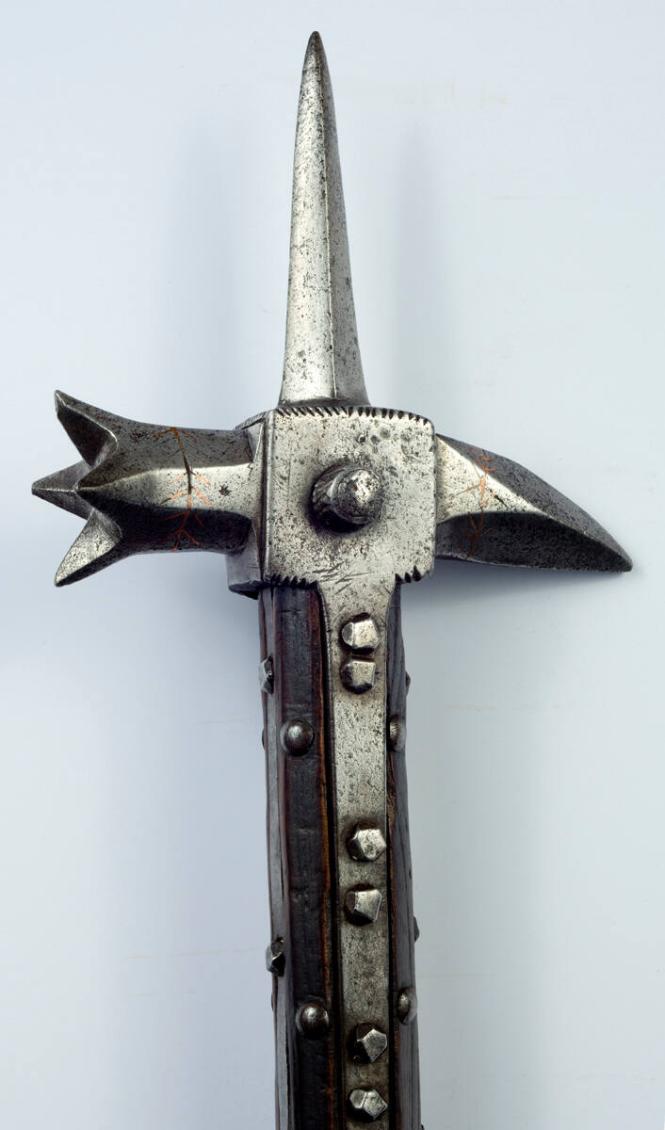
Fig. 1: Two-handed war hammer for foot combat, Germany, around 1440.
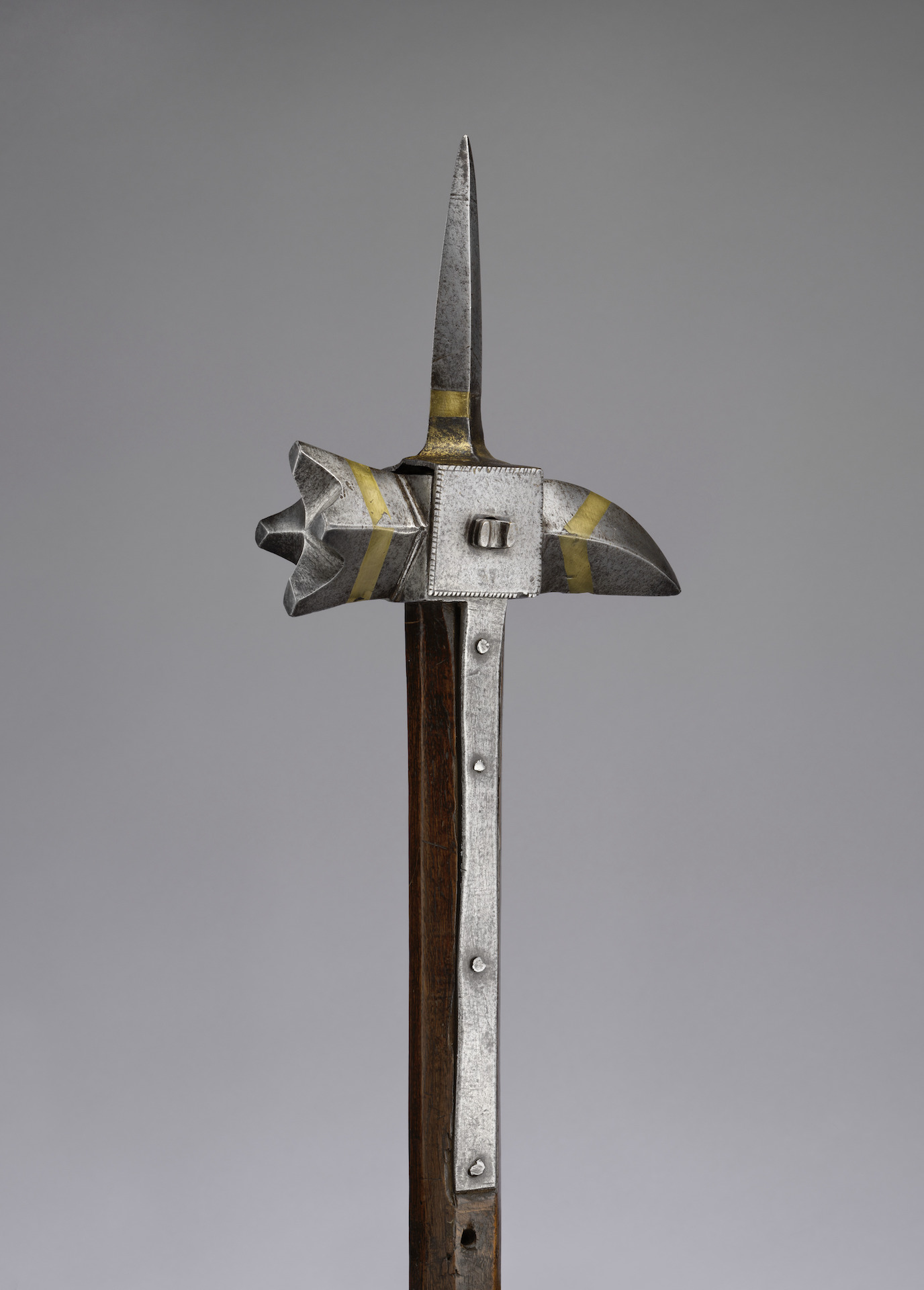
Fig. 2: One-handed war hammer, France, around 1450.
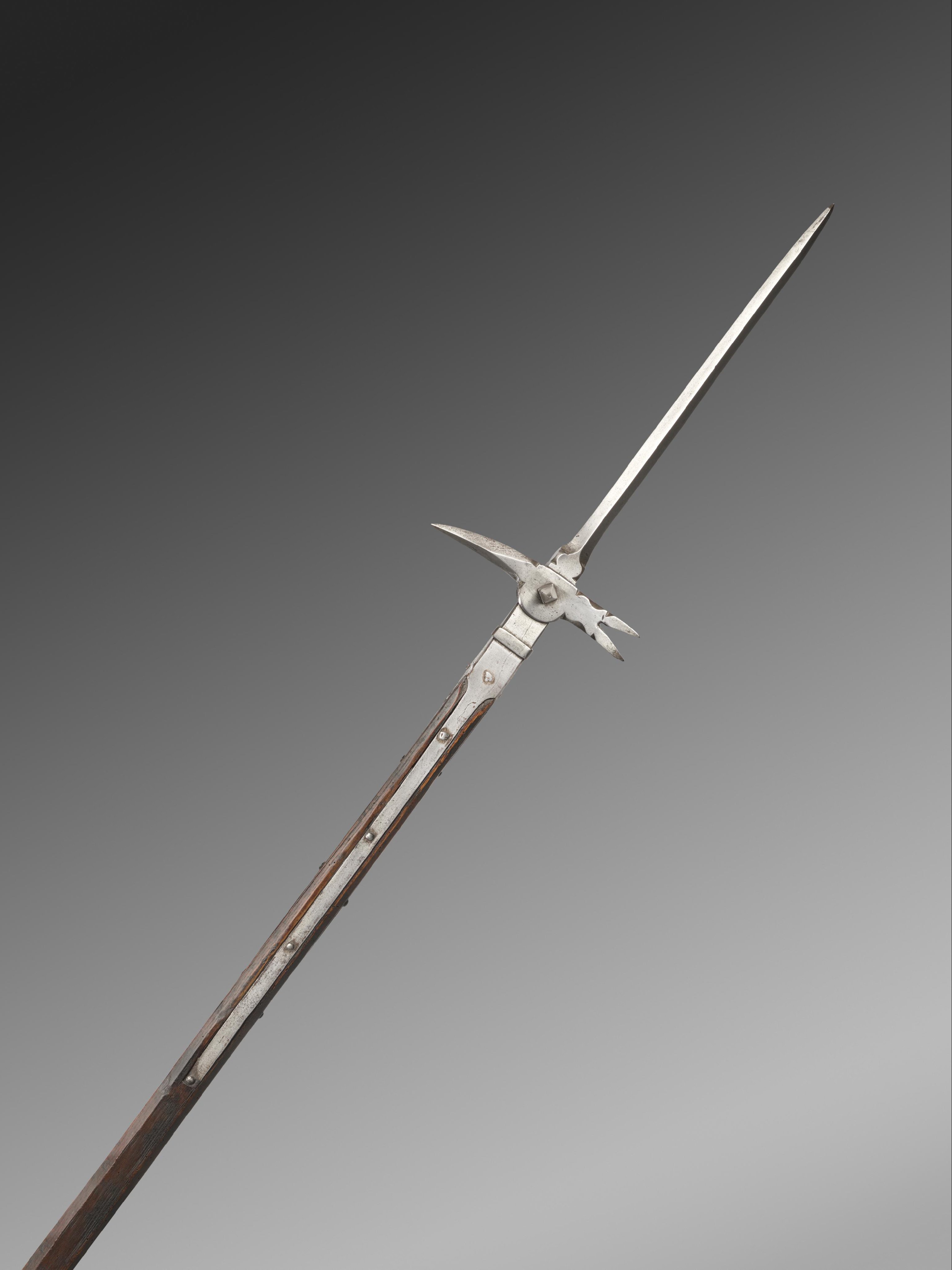
Fig. 3: Lucerne hammer, Switzerland, 1500.
| Length of surviving part: | 105.4 cm |
|---|---|
| Weight: | 2041.1 g |
| Length: | 65.5 cm |
|---|---|
| Weight: | 1474.2 g |
| Head height: | 48.6 cm |
|---|---|
| Head length: | 21.3 cm |
Reconstruction
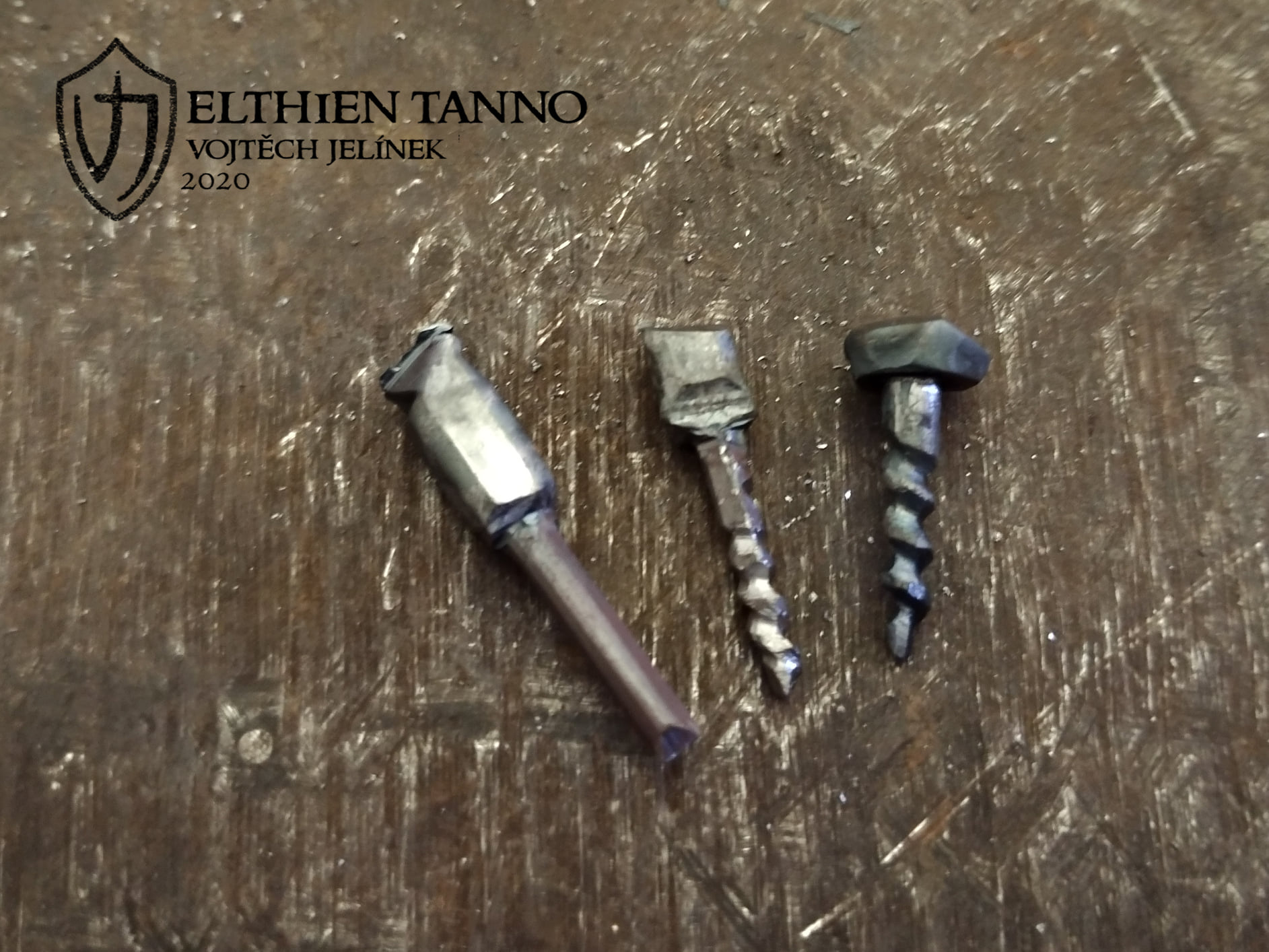
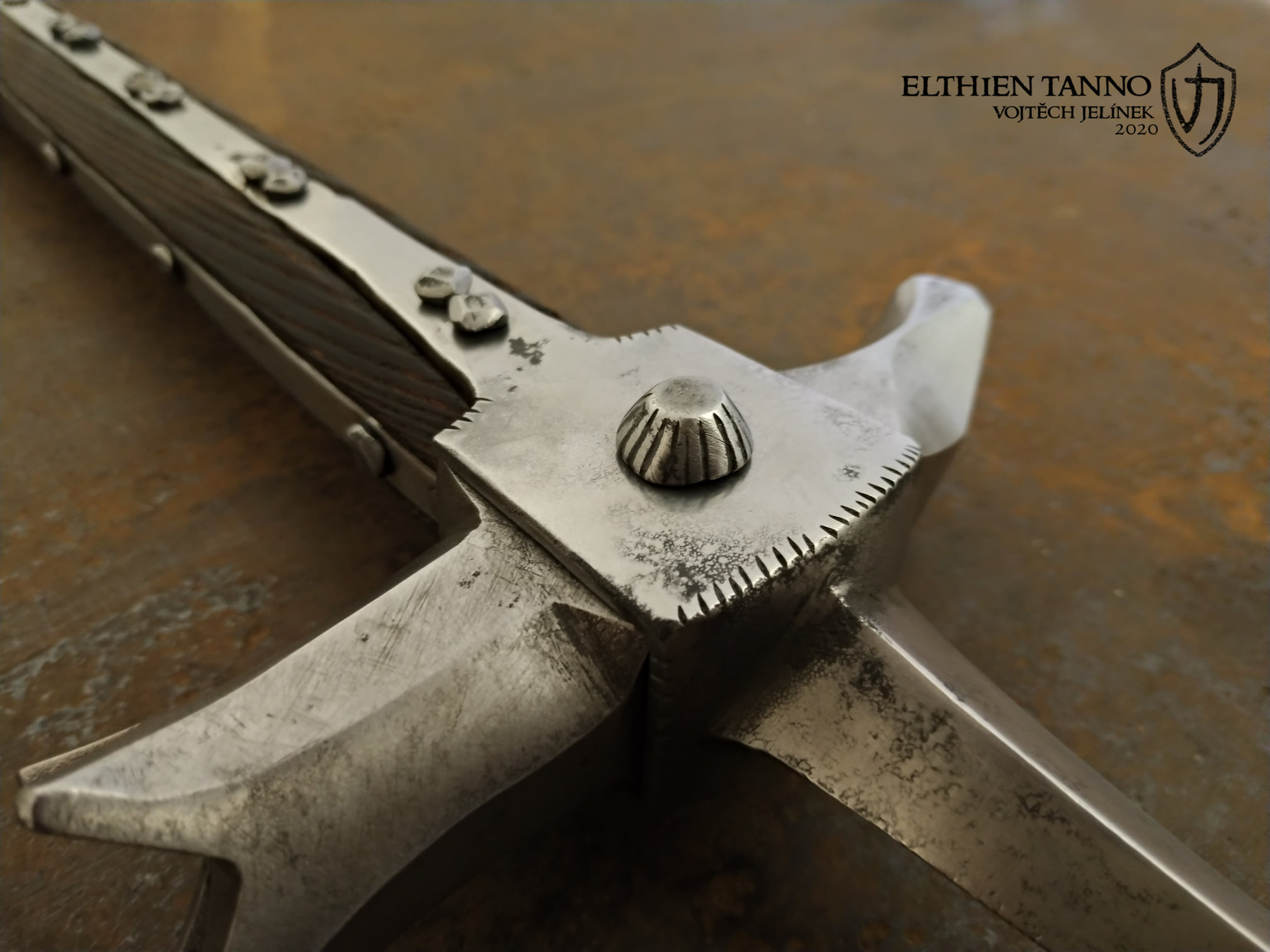
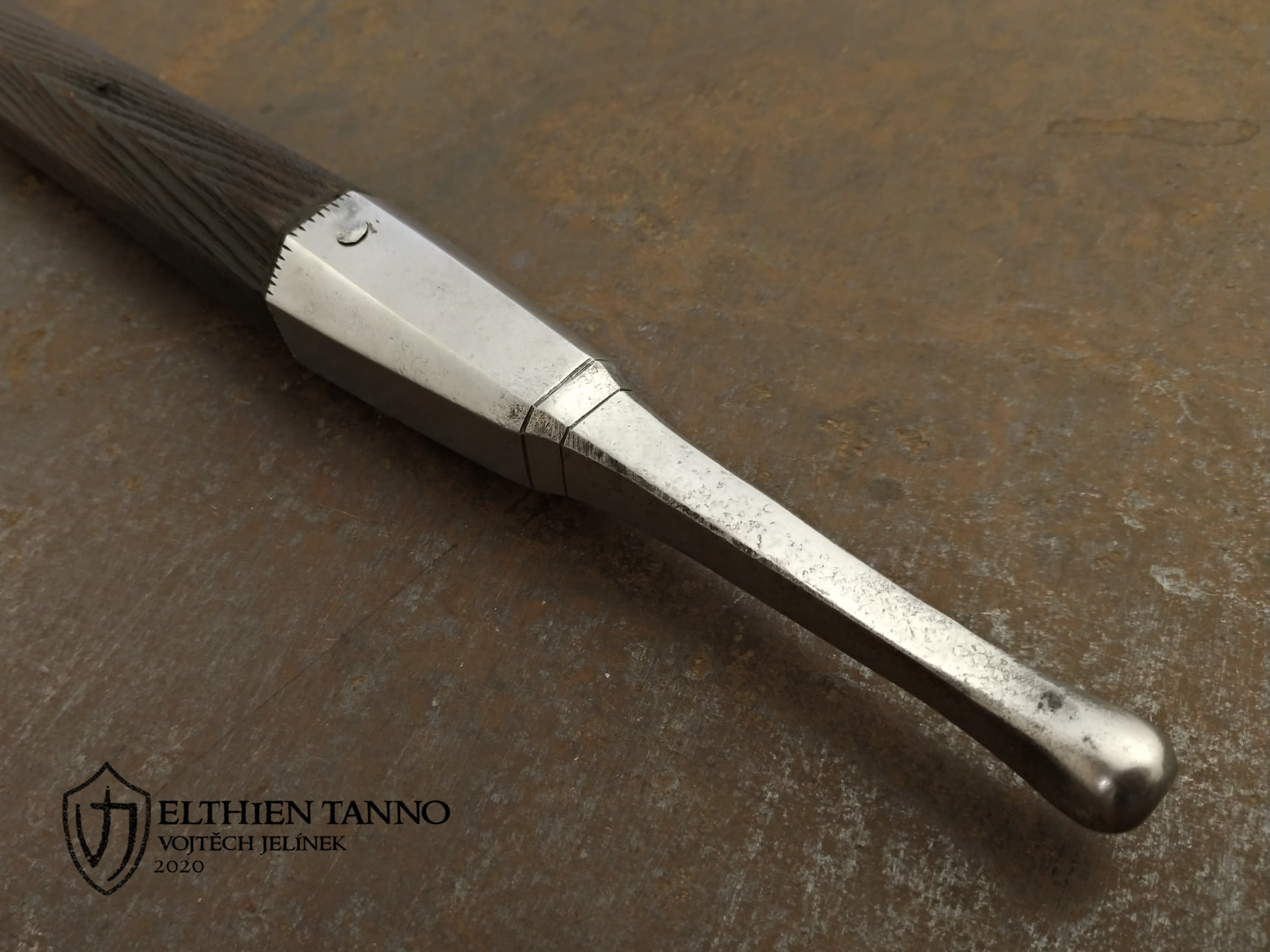
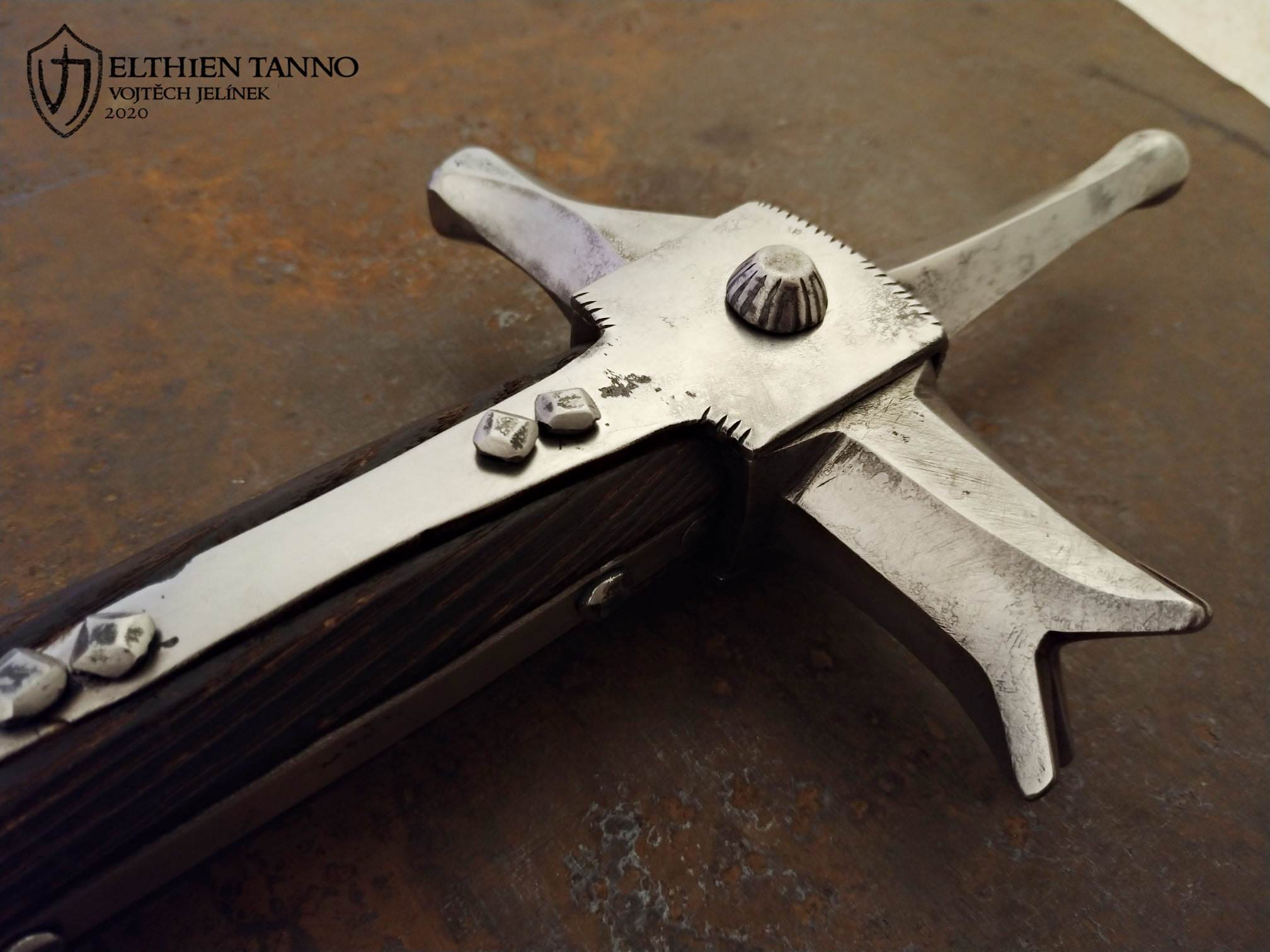
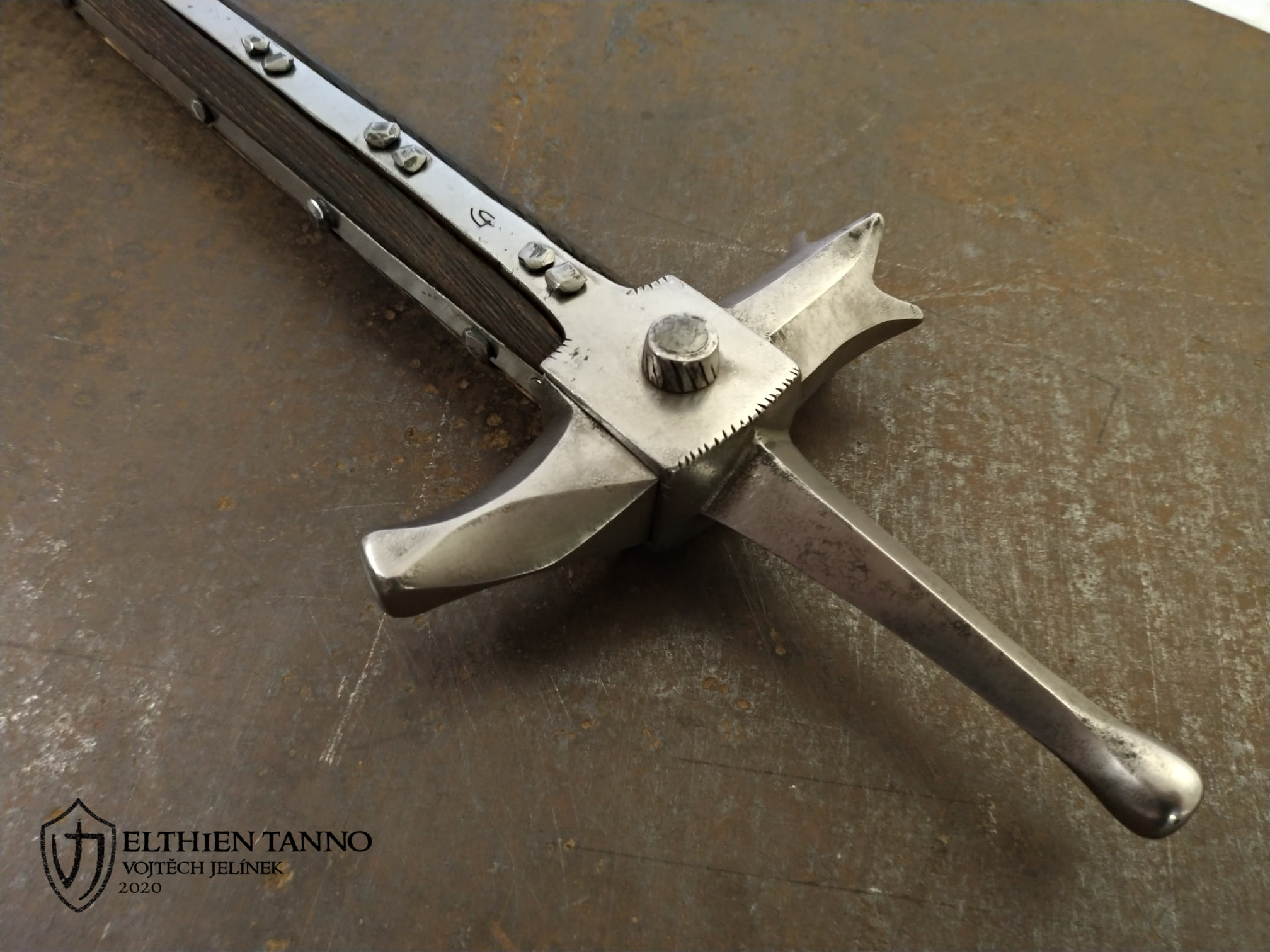
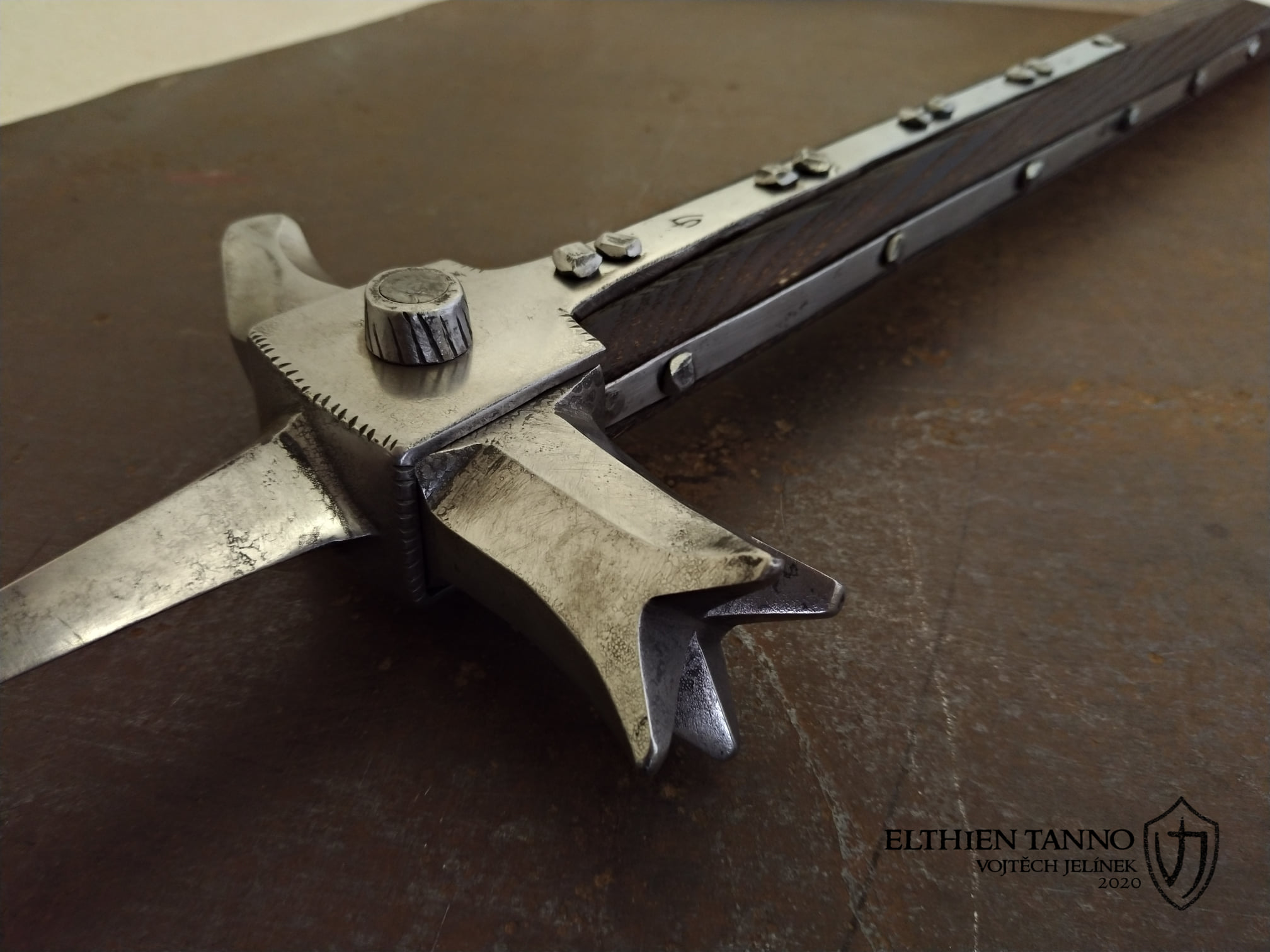
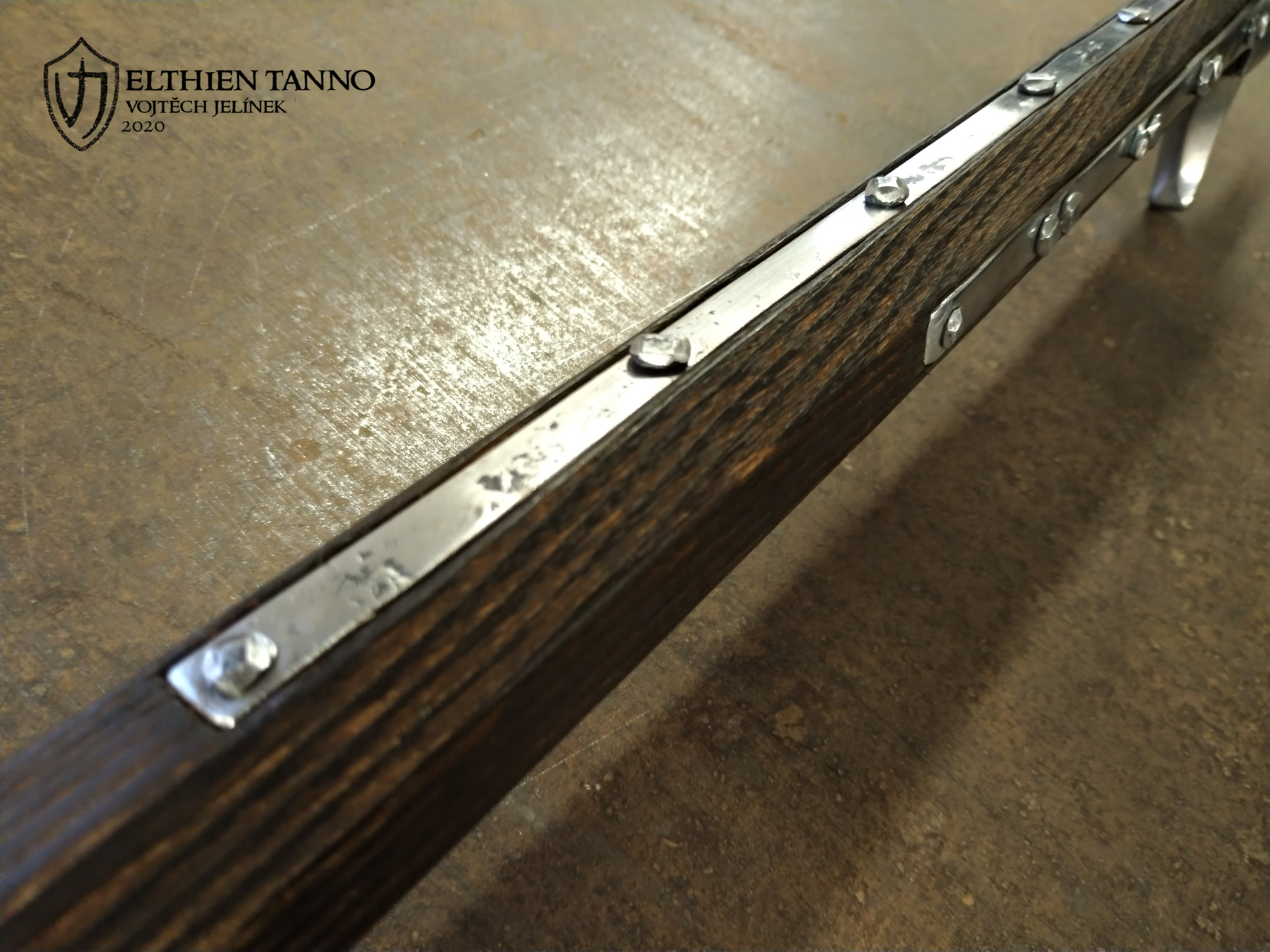
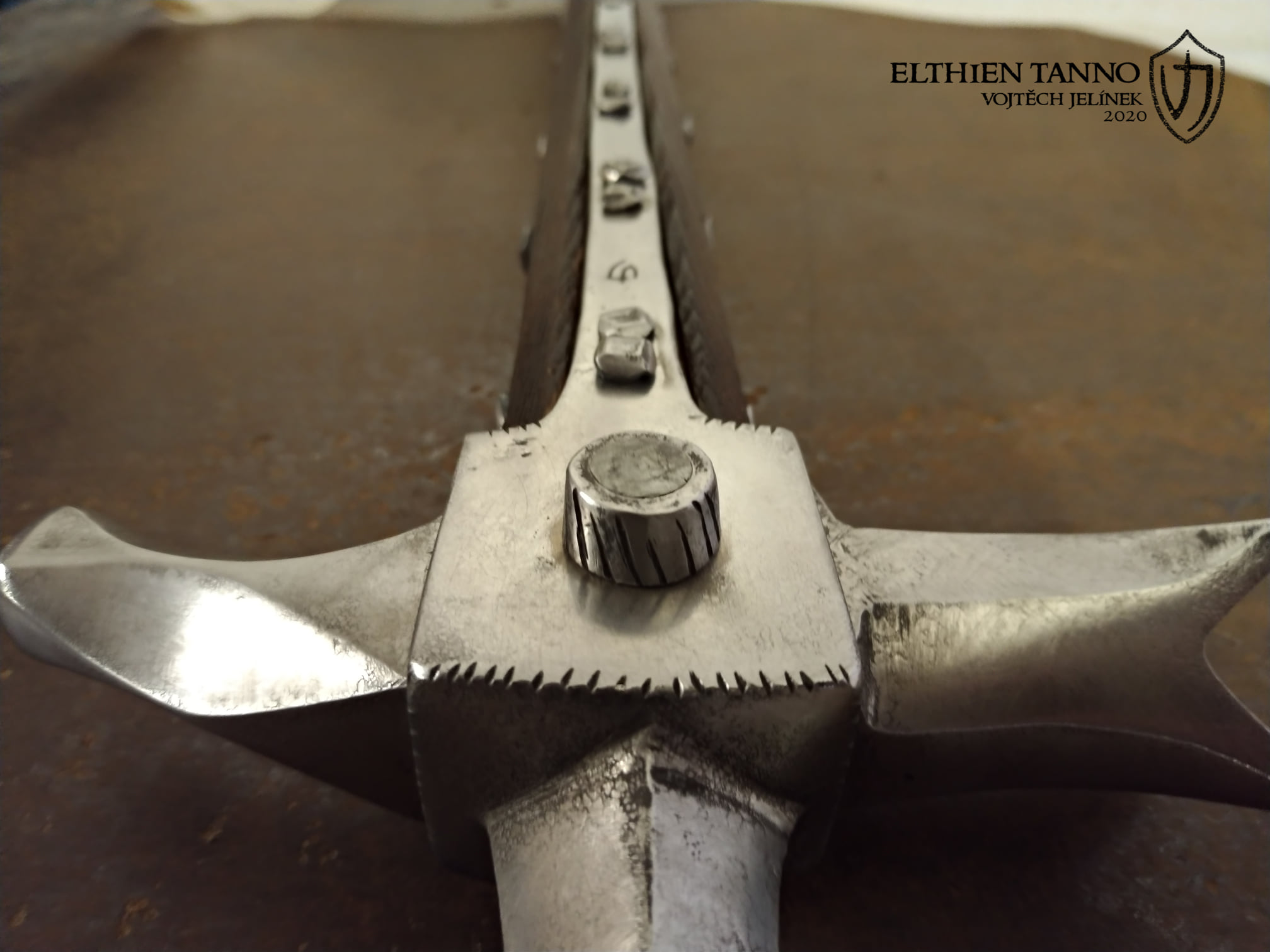
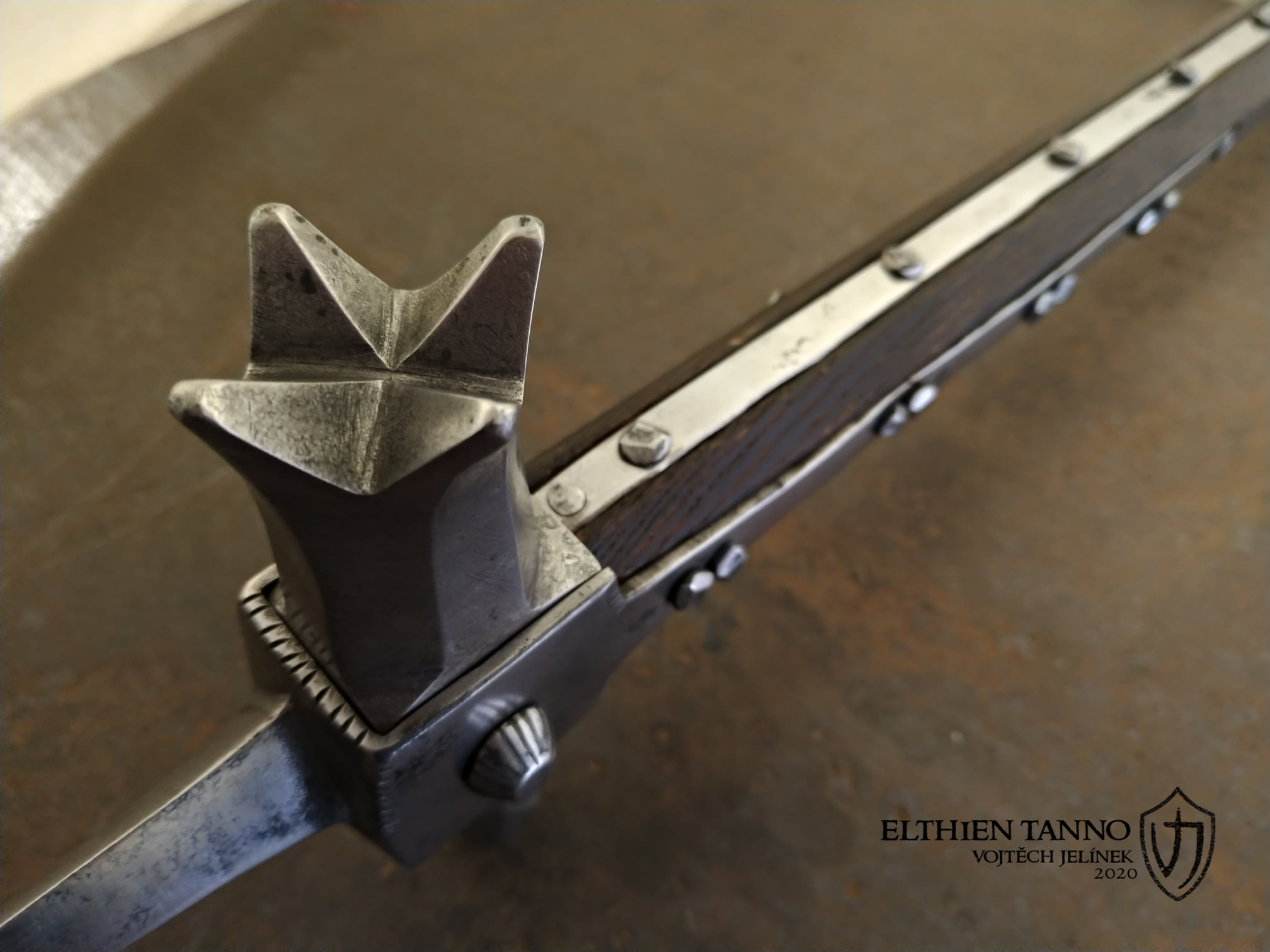
For the reconstruction, we chose the hammer from Worcester given its dating. An interesting feature of this hammer is that its head is attached to the shaft not with rivets, but with pairs of screws with square heads. The length of the replica is 220 cm and its weight is 2847 g. The replica was made by Vojtěch Jelínek.
Sources:
If you enjoyed this article, please consider making a small financial contribution. Writing articles is very time consuming and we do it in our free time.
IBAN: CZ39 2010 0000 0028 0346 2929
BIC/SWIFT: FIOBCZPPXXX