


Headwear
Hood
Kápě, kapicě, kapicze derives, just like čepice (cap), from the Medieval Latin word capa, cappa. It was also called kukla or kuklička, which originated from the Latin cucalla, and in written sources it is further referred to as capucium, chuchla, cucala, capye. The hood could be worn in various ways — normally on the shoulders, where it could be complemented by a hat or a helmet, or it could be placed on the head with the face opening turned up, worn like a cap. For post-Hussite Bohemia, we can trace three main types of hoods: with a tail, without a tail, and a tasseled hood, which was also popular in German lands.
Hood with a Tail
These hoods were popular especially before the Hussite Wars, as can be seen in the Gelnhausen Codex (1400–1408) or the Olomouc Bible (1417). Given that a longer tail is primarily seen on luxuriously dressed individuals, it may have represented the good standing of its owner. This would also correspond to the event recorded in the chronicle of Vavřinec of Březová, when the Taborites cut the long tails of hoods belonging to Prague craftsmen and burghers, which thus symbolized the intemperance and luxury they condemned. Likewise, in the Codex of Jena (1490–1510), a priest is depicted in a magnificent fur coat, with many rings and shoes with long pointed toes, wearing a hood with a long, massive tail.
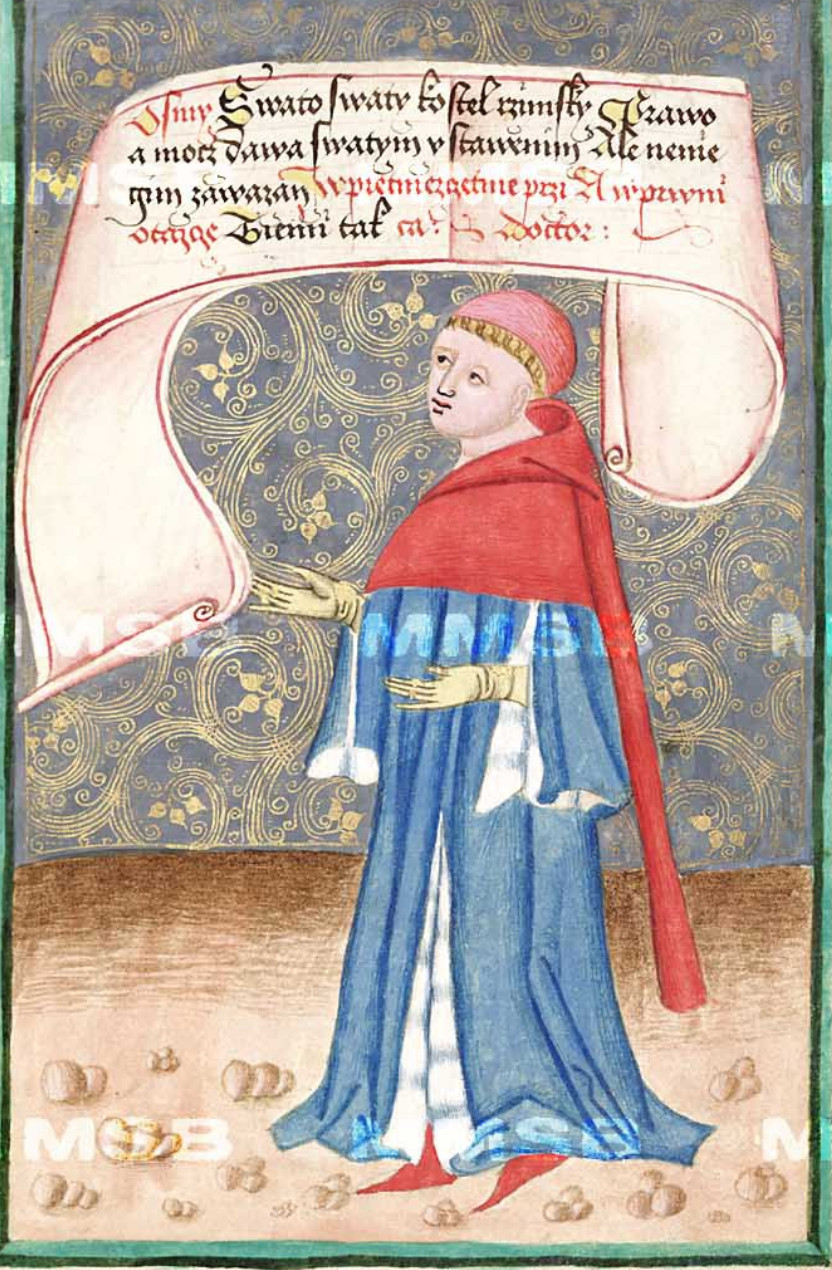
A priest in a hood with a massive tail. Excerpt from the Codex of Jena (1490-1510).

A hood with a tail placed on the head through the face opening. Excerpt from the Codex of Jena (1490-1510).
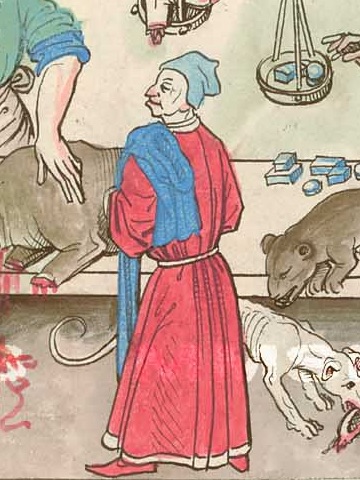
A hood with a tail draped over the shoulder. Excerpt from the Richental Chronicle (1470-1480).
Hood without a Tail
The simple hood without a tail was the most widespread type of hood in post-Hussite Bohemia. It could be worn under a helmet or together with a hat. One such “kuklu modrou, kterou míval do vojny” (blue hood, which he used to take to war) was left behind by Zikmund Jirconis of Poříč in 1455. There are very many depictions of these hoods from both Czech and German sources.
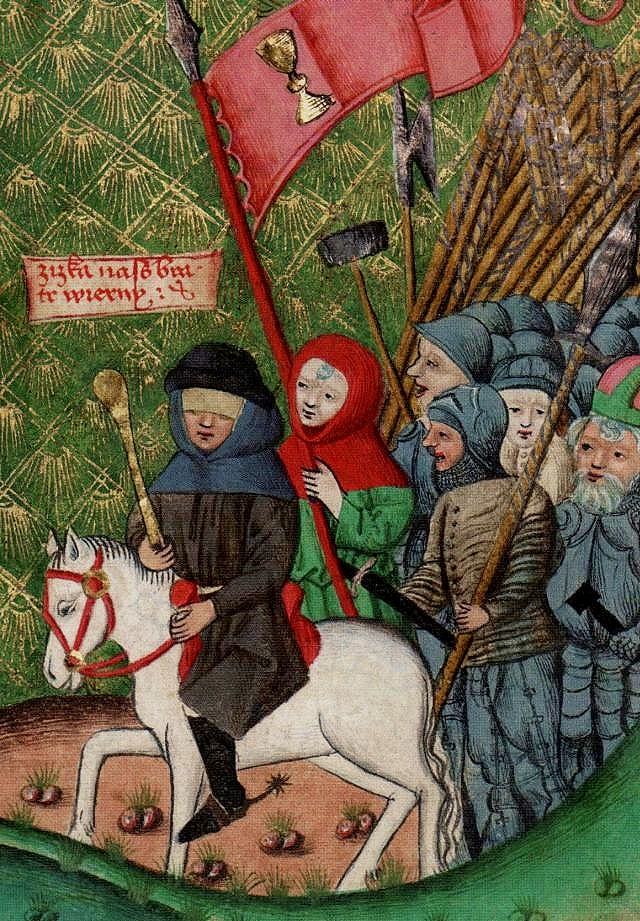
Simple hoods can be seen on Jan Žižka at the head of the army and on the standard-bearer in the depiction from the Codex of Jena. Jan Žižka's hood is complemented with a hat.
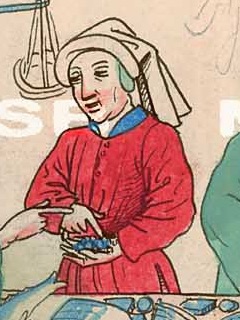
A simple hood placed on the head through the face opening in an excerpt from the Richental Chronicle (1470-1480).
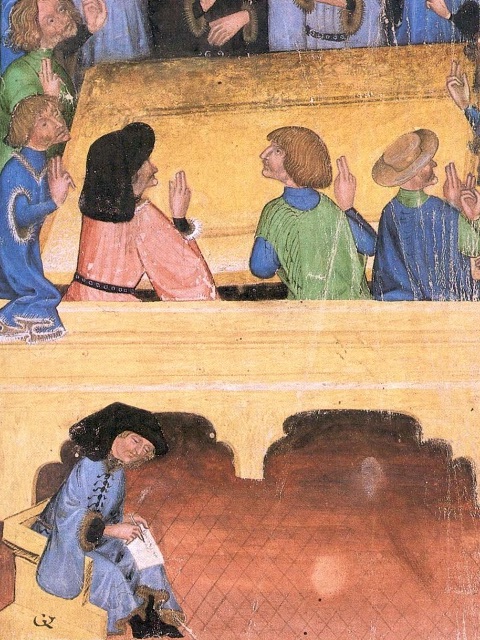
Simple black hoods placed on the head through the face opening are worn by one of the councillors and the scribe in the excerpt from the Memorial Book of Olomouc (1430-1492).
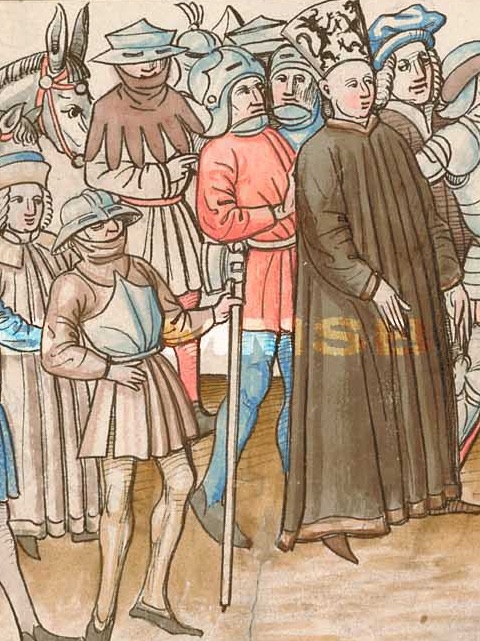
Two of the armed men leading Jan Hus to the stake wear hoods without tails under their iron hats. The soldier in front has a very small hood, while the soldier behind has one with decorative scalloping. Excerpt from the Richental Chronicle (1470-1480).
Tasseled Hood
This type was popular in German lands, including Bohemia at that time. It could also be worn under a helmet, as shown in drawings and paintings by the famous painter Albrecht Dürer (1471–1528). At the neck, it could be fastened with buttons to achieve a more anatomical shape. Its tassels could also be decoratively cut, as can be seen, for example, in the portrait of the Kutná Hora mint master Hans Harsdorfer from 1484. It is worth noting that Albrecht Dürer and Hans Harsdorfer were friends.
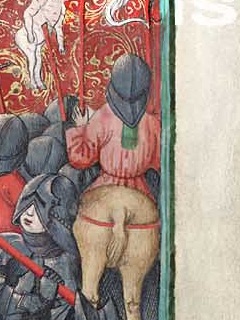
A tasseled hood worn by a light cavalryman. These hoods are frequently encountered in German depictions of light horsemen. Excerpt from the Codex of Jena (1490-1510).
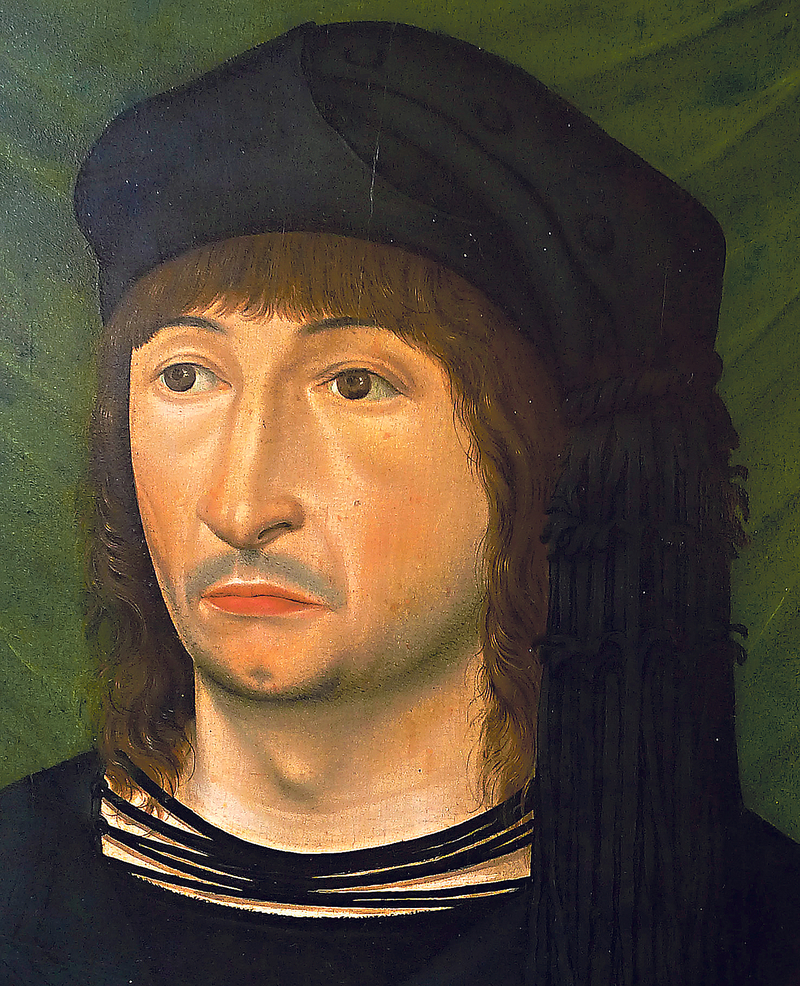
A luxurious hood with buttons and decoratively cut tassels, placed on the head through the face opening. Portrait of Hans Harsdorfer, Nuremberg, 1484.
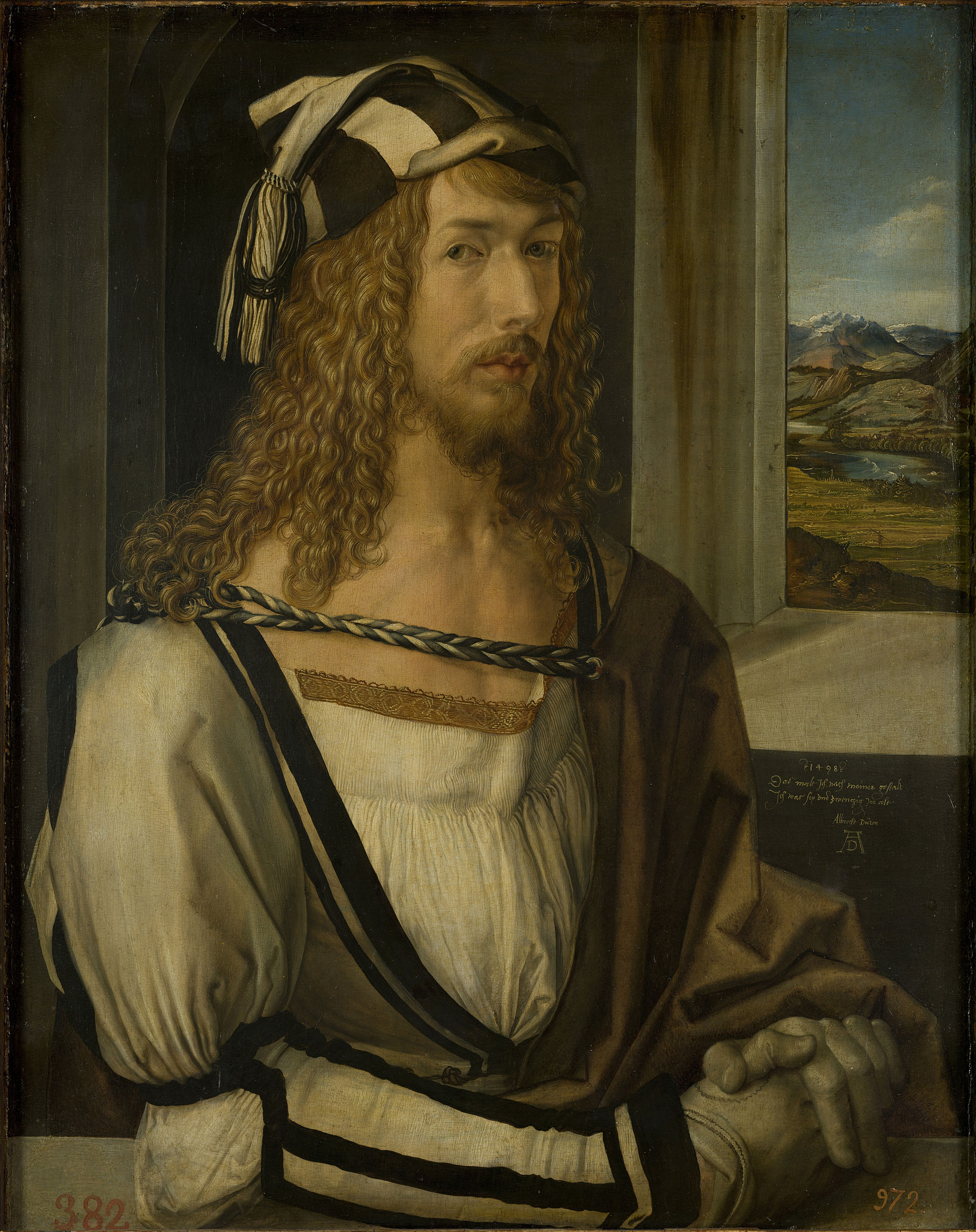
A tasseled hood placed on the head through the face opening in Albrecht Dürer's self-portrait from 1498.
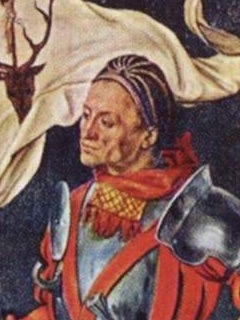
St. Eustace wears a decorative tasseled hood around his neck. Excerpt from the Paumgartner Altarpiece, 1500.
Hat
Klobúk, klouček, koblúček, kobek, kobek, klouček, koláče. Besides denoting headwear, the term also referred to a helmet. The most common shape was one where the crown naturally followed the head and the brim was bent or rolled upward. Depictions of such a hat can be found, for example, in the Krumlov Anthology (1420) as well as 70 years later in the Codex of Jena (1490–1510), and archaeologically confirmed by a find from Ireland. The crown could also be flattened, conically shaped, or pointed. Likewise, the brim could be variously shaped: flat and round, like contemporary hats, rolled up as mentioned above, bent upward with one or more slits, or completely absent. Unlike hoods, it seems that hats were often lined with different fabric or fur.
An independent hatmakers' guild was established in Prague's New Town on 2 April 1446. From their statutes, one can discern that they produced hats made of beaver fur and felt. From the confirmation of the hatmakers' guild articles in the Old Town on 11 August 1489, one can learn that besides beaver hats, a master also had to be able to produce a hare-fur hat “obú stranú vlasitý” (furry on both sides), a curly hat, and in addition to hats also cobbler's felt and a boot, presumably felted in the manner of valenki.
Hat with a Rounded Crown and Rolled Brim
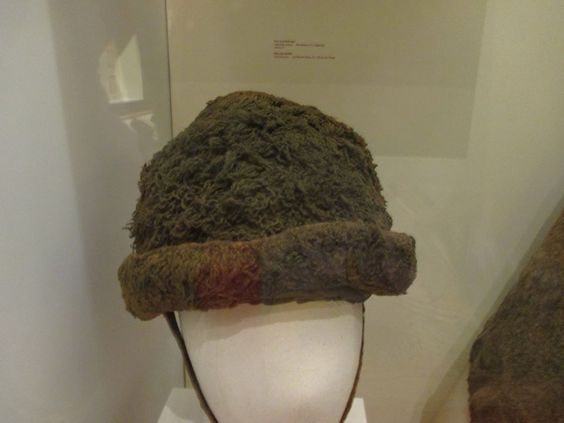
A hat find from Ireland, dated to the 14th–15th century.
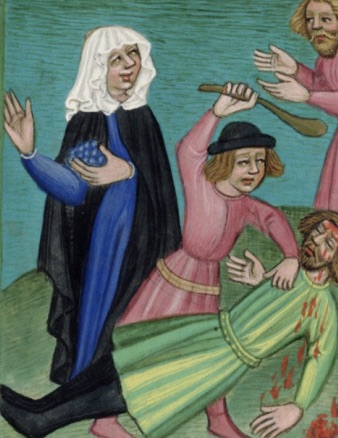
A hat with a rounded crown and rolled brim in the Krumlov Anthology, around 1420.
A hat with a rounded crown and rolled brim on the head of Jan Žižka, Codex of Jena (1490-1510).
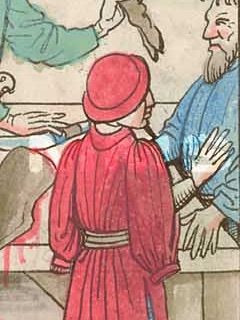
A hat with a rounded crown and rolled brim. Excerpt from the Richental Chronicle (1470-1480).
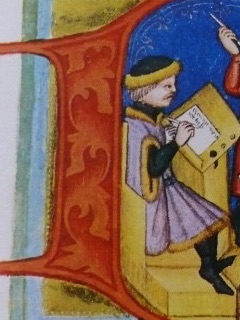
A hat with a rounded crown and rolled brim, lined with fur. Excerpt from the Brno Legal Book of Václav of Jihlava (1446).
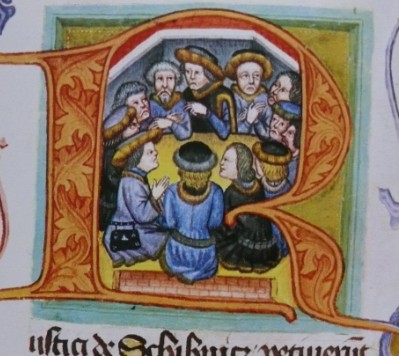
Meeting of the city council depicted in the initial from the Brno Legal Book of Václav of Jihlava (1446). On the councillors' heads, we can see hats with both rounded and flat crowns, lined with fur.
Hat with an Upturned Brim without Slits
Most of these hats have flat crowns in the iconography, though exceptions can be found, such as the one in the Codex of Jena, see image below.
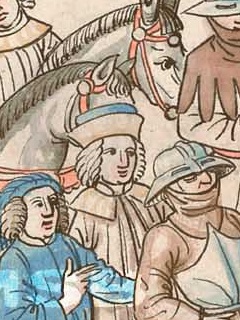
A hat with a flat crown and upturned brim without slits, excerpt from the Richental Chronicle (1470-1480).
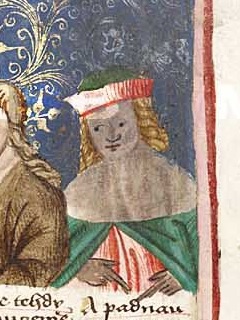
A hat with a rounded crown and upturned brim without slits, excerpt from the Codex of Jena (1490-1510).
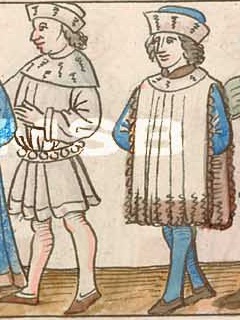
Hats with a flat crown and upturned brim without slits, lined with fur, excerpt from the Richental Chronicle (1470-1480).

A hat with a flat crown and upturned brim, lined with fur, excerpt from the Codex of Jena (1490-1510).
Hat with an Upturned Brim with Slits
It is worth noting that even when a hat has only one slit, this slit is never in the centre of the forehead, but rather to the side of the head.
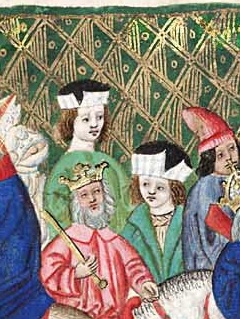
Fur-lined hats with an upturned brim with a single slit in an excerpt from the Codex of Jena (1490-1510).
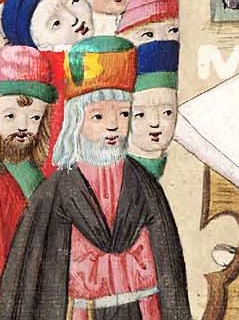
A hat with an upturned brim with two slits in an excerpt from the Codex of Jena (1490-1510).
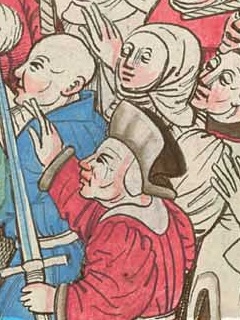
A hat with an upturned brim with two slits in an excerpt from the Richental Chronicle (1470-1480).
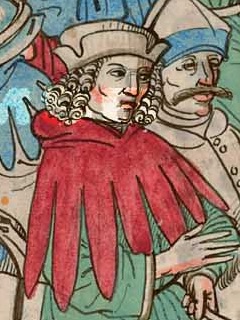
A hat with an upturned brim with multiple slits in an excerpt from the Richental Chronicle (1470-1480).
Other Types of Hats
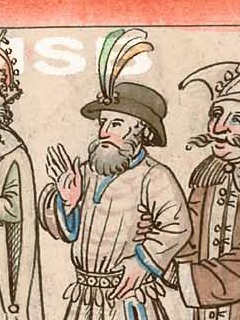
A hat with a slightly downturned brim, a jewel and a feather ornament in an excerpt from the Richental Chronicle (1470-1480).
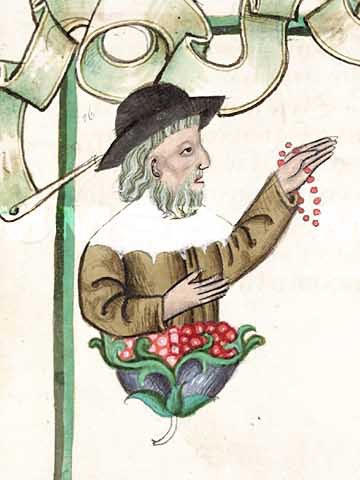
A hat with a slightly upturned brim in an excerpt from the Codex of Jena (1490-1510).
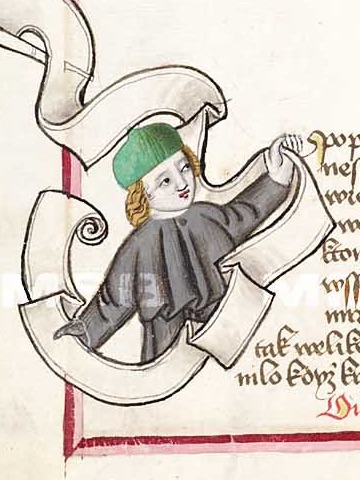
A hat without a brim in an excerpt from the Codex of Jena (1490-1510).
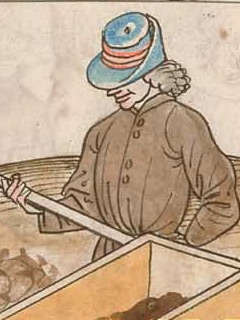
A hat with a flat crown and an upturned rear section of the brim, decorated with a ribbon. Excerpt from the Richental Chronicle (1470-1480).
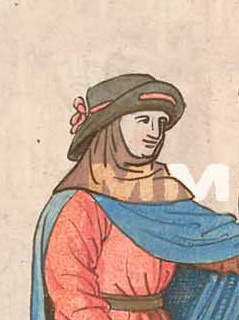
A hat with a flat crown and an upturned front section of the brim, held in position by a ribbon. Such hats very frequently appear in depictions of St. James, where they are additionally decorated with a St. James's scallop shell. Excerpt from the Richental Chronicle (1470-1480).

A hat with a flat crown and a flat brim in an excerpt from the Memorial Book of Olomouc (1430).
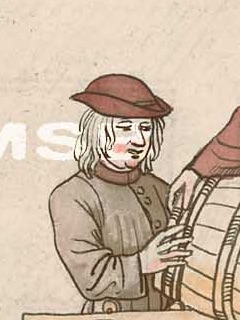
A hat in an excerpt from the Richental Chronicle (1470-1480).
Berets
One of the most common types of headwear was the beret, which constituted approximately a quarter of all headwear and is probably hidden under the period name čepice (cap).
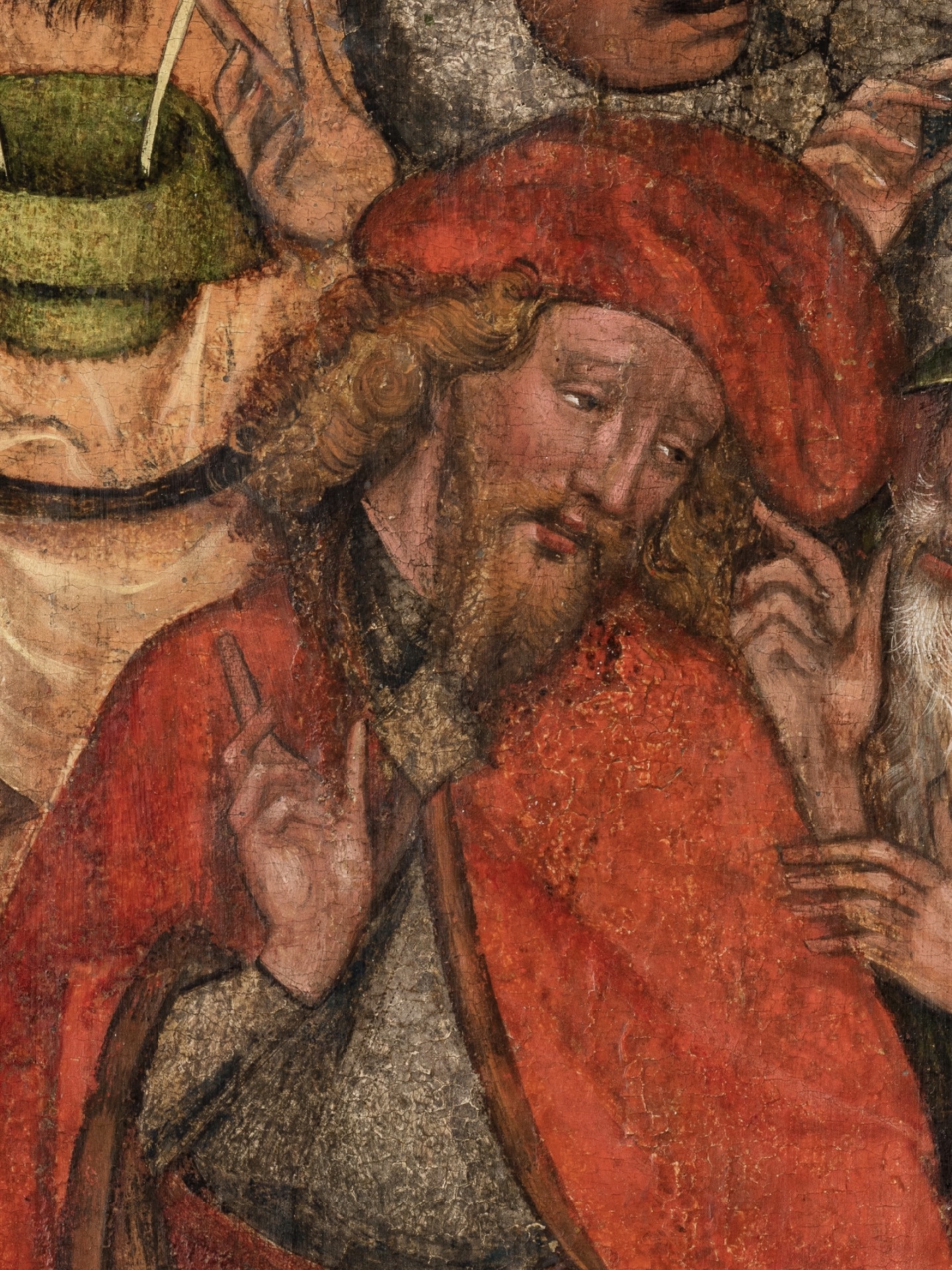
A man with a red beret in an excerpt from the Zátoň Altarpiece (after 1440).
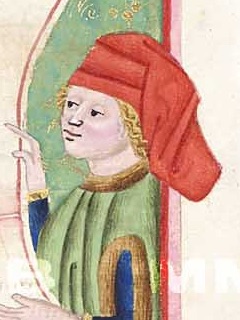
A man with a red beret in an excerpt from the Codex of Jena (1490-1510).
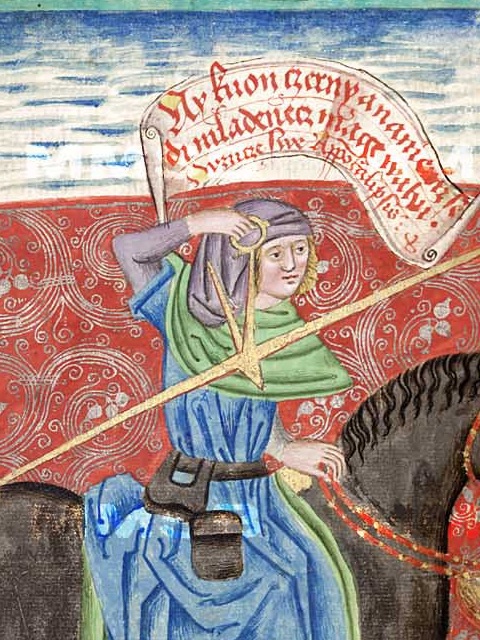
A merchant in a beret in an excerpt from the Codex of Jena (1490-1510).
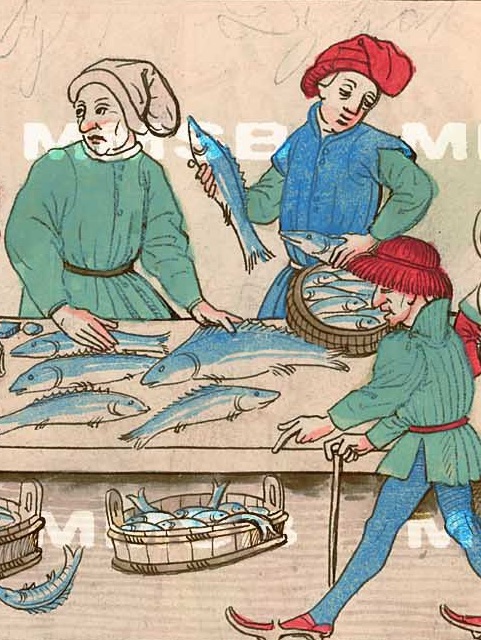
Two men with berets in an excerpt from the Richental Chronicle (1470-1480).
Sources:
If you enjoyed this article, please consider making a small financial contribution. Writing articles is very time consuming and we do it in our free time.
IBAN: CZ39 2010 0000 0028 0346 2929
BIC/SWIFT: FIOBCZPPXXX